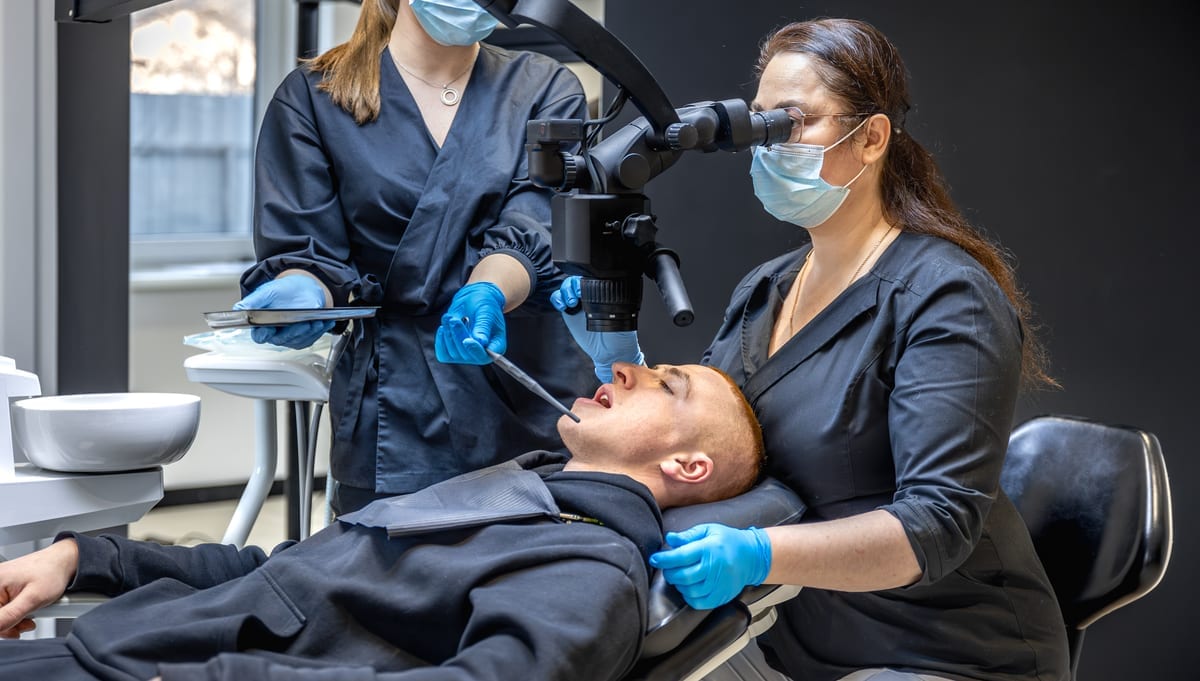

Your Implant Denture Recovery: A Week-by-Week Guide to Eating and Healing


Getting implant-supported dentures is a life-changing decision. But the journey doesn’t end when you leave the dental chair. Your implant denture recovery shapes how well your results last. This week-by-week guide to eating and healing in Plant City will help you feel confident every step of the way. Dr. Joshua Ferraro and the team at Horizon Dental Designs are here to support you through the entire process.
What to Expect in the First Week After Implant Placement
The first week is the most critical part of your recovery. Your body is working hard to manage swelling, form clots, and begin healing around the implant sites. Expect some soreness, mild bleeding, and jaw stiffness. These are all normal responses to oral surgery.
Follow Dr. Ferraro’s post-operative instructions carefully during this time. Rest as much as possible and avoid strenuous activity for at least 48 to 72 hours. Keep your head elevated when lying down to reduce swelling. Apply a cold compress to your cheek in 20-minute intervals on the first day.
Use any prescribed pain relievers as directed. Over-the-counter options like ibuprofen can also help manage discomfort. Avoid rinsing vigorously or spitting forcefully in the first 24 hours. Protecting the surgical sites early makes a big difference later.
Your Week-by-Week Guide to Eating After Implant Denture Surgery
Nutrition plays a huge role in healing. What you eat — and when — can speed up recovery or slow it down significantly. Following a structured eating plan protects your implants and keeps you comfortable throughout recovery in Plant City.
Week 1: Stick to a fully liquid diet. Think smoothies, broths, protein shakes, and yogurt. Avoid anything chunky, chewy, or crunchy. Keep drinks at room temperature — hot liquids can increase bleeding.
Week 2: You can begin soft foods. Try mashed potatoes, scrambled eggs, soft fish, and cooked vegetables. Cut everything into tiny pieces and chew on both sides evenly. Avoid biting directly with your front teeth.
Weeks 3 and 4: Gradually reintroduce semi-soft foods like pasta, soft bread, and ripe fruits. Still avoid hard, sticky, or crunchy items. Your implant sites need more time to stabilize before handling real chewing pressure.
- Smoothies, protein shakes, and soups during week one
- Scrambled eggs, mashed vegetables, and soft fish in week two
- Pasta, soft fruits, and cooked grains in weeks three and four
- Hard, crunchy, or sticky foods until your dentist clears you
- Straws — suction can disturb healing implant sites
Managing Pain and Swelling Week by Week in Plant City
Discomfort usually peaks around day two or three and then gradually improves. Most patients feel significantly better by the end of the first week. Swelling often follows the same pattern — it rises before it falls. Don’t be alarmed if day three feels harder than day one.
Pain management options include both prescription and over-the-counter medications. Ibuprofen is often recommended because it reduces both pain and inflammation. Take medications on a schedule rather than waiting until pain becomes severe. Staying ahead of discomfort makes recovery much more manageable.
Saltwater rinses help keep the surgical area clean after the first 24 hours. Mix half a teaspoon of salt into a cup of warm water and rinse gently. Avoid mouthwashes with alcohol during early recovery. These can irritate healing tissue and delay the process.
- Apply ice packs during the first 24 hours to limit swelling
- Switch to warm compresses after day two to soothe jaw tension
- Take pain relievers on a schedule, not just when discomfort spikes
- Rinse gently with warm saltwater starting on day two
- Call Dr. Ferraro’s office if pain suddenly worsens after day five
Long-Term Oral Care for Implant-Supported Dentures
Once your implants heal, proper maintenance becomes your top priority. Implant-supported dentures can last for decades with the right care. The habits you build during recovery will carry you through the long term. Dr. Ferraro will guide you on the best routine for your specific restoration.
Brush your implant dentures and your gumline daily. Use a soft-bristle toothbrush and non-abrasive toothpaste. Clean around the implant attachments carefully to prevent bacteria from building up. Gum health directly affects implant stability over time.
Schedule regular Dental Cleaning Plant City appointments every six months. Professional cleanings remove buildup that home care misses. Your hygienist will also check for early signs of peri-implantitis — a gum condition that can threaten implant success. Catching problems early is always better than treating them late.
Some patients also wonder about other dental concerns during recovery. For example, if a neighboring tooth develops an infection, you may hear about Root Canals Plant City as a treatment option. Understanding all your dental care options helps you make informed decisions about your overall oral health. Dr. Ferraro’s team is always available to answer questions at any stage of your care.
Signs You Should Call Your Dentist During Recovery
Most recoveries follow a predictable path. But sometimes, complications arise that need prompt attention. Knowing what to watch for helps you act quickly if something feels off. Don’t hesitate to reach out to Horizon Dental Designs if you notice warning signs.
Contact the office right away if you experience any of the following. Increasing pain after day five — rather than decreasing — can signal a problem. Fever above 101 degrees Fahrenheit is another red flag. Sudden swelling that worsens after the first 48 hours should also be evaluated quickly.
Other concerns include implant mobility or a clicking sensation when biting. These symptoms could point to early implant failure or infection. Numbness that doesn’t resolve within a few days also warrants a call. Acting quickly gives your care team the best chance to protect your results.
Conclusion: Healing Well Starts with the Right Support in Plant City
Your implant denture recovery is a process — not a single event. Each week brings you closer to enjoying a fully functional, beautiful smile. With the right diet, pain management, and oral hygiene habits, most patients heal smoothly and comfortably. Dr. Joshua Ferraro and the team at Horizon Dental Designs are committed to guiding Plant City patients every step of the way. Book Now to schedule your appointment with our team.
Frequently Asked Questions
How long does implant denture recovery take in total?
Full osseointegration — where the implant fuses with your jawbone — takes three to six months. However, most patients feel comfortable and return to normal eating within four to eight weeks. Your recovery timeline depends on factors like bone density, overall health, and how well you follow post-operative instructions.
When can I start eating solid foods after implant surgery?
Most patients can gradually reintroduce semi-solid foods around weeks three and four. Hard, crunchy, or sticky foods should be avoided until Dr. Ferraro gives you clearance. Following the dietary progression carefully protects your implants during the critical early healing phase.
Is swelling and bruising normal after implant placement?
Yes, swelling and some bruising around the jaw and cheek are completely normal. Swelling typically peaks around day two or three and then begins to subside. Using ice packs during the first 24 hours and keeping your head elevated can help minimize these effects.
How do I clean my implant-supported dentures at home?
Brush your dentures and the surrounding gum tissue daily using a soft-bristle toothbrush. Clean around the implant attachments carefully to prevent bacterial buildup. Use a non-abrasive cleaner recommended by your dental team, and soak removable components as directed. Regular professional cleanings are equally important for long-term success.
What are signs of implant complications I should watch for?
Warning signs include increasing pain after day five, fever, sudden worsening swelling, implant movement, or prolonged numbness. If you notice any of these symptoms, contact Horizon Dental Designs promptly. Early intervention is the most effective way to address potential complications and protect your investment.