1708 S Alexander St Plant City, FL 33563


Crowns Plant City: How Do Crowns Compare to Other Restorative Options?


Crowns Plant City: How Do Crowns Compare to Other Restorative Options?
When you face a damaged or weakened tooth, you want the best solution to restore your smile. Crowns Plant City residents rely on are just one option among several restorative treatments. Understanding how dental crowns compare to alternatives like veneers and onlays helps you make informed decisions about your oral health.
Dr. Joshua Ferraro at Horizon Dental Designs – Dentist Plant City helps patients navigate these choices every day. Each restoration type serves different needs and offers unique benefits. This guide breaks down the key differences so you can feel confident discussing options with your dentist.
The right choice depends on your specific situation, tooth condition, and long-term goals. Let’s explore how crowns stack up against other popular dental restorations.
Understanding Dental Crowns Plant City Patients Choose
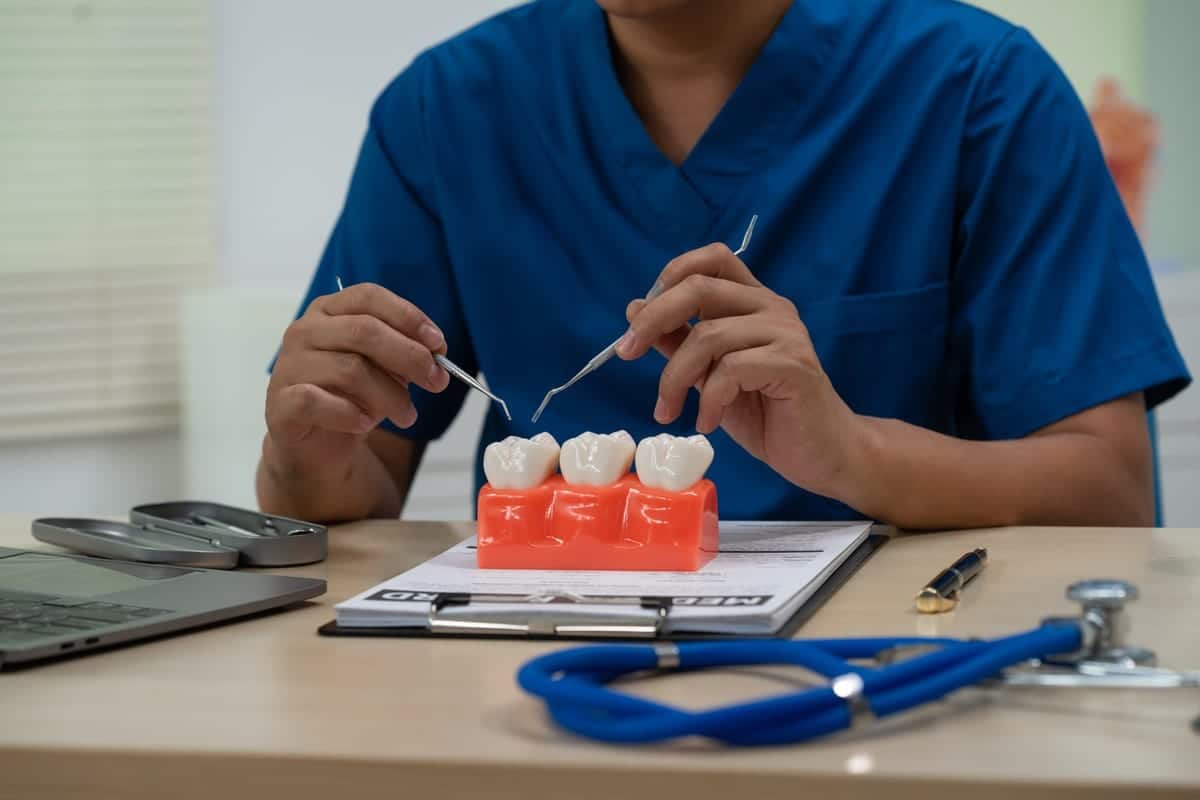
A dental crown is a cap that covers an entire tooth above the gum line. Dentists use crowns to protect weak teeth, restore broken teeth, or improve appearance. The crown encases the visible portion of your tooth completely.
Crowns work well for teeth with significant damage or large fillings. They provide strength and durability that helps the tooth function normally. Modern crowns look natural and blend seamlessly with your smile.
The process typically requires two visits. Your dentist prepares the tooth, takes impressions, and places a temporary crown. At the second visit, the permanent crown is fitted and cemented in place.
Plant City residents often choose crowns after root canal treatment or to repair cracked teeth. The restoration protects the remaining tooth structure and prevents further damage.
Dental Crowns vs. Porcelain Veneers: Key Differences
Veneers cover only the front surface of teeth, while crowns encase the entire tooth. This fundamental difference affects which treatment works best for your situation. Veneers require less tooth preparation and preserve more natural structure.
Here are the main advantages of dental crowns:
- Provide complete protection for severely damaged or weakened teeth
- Restore full chewing function and bite strength
- Work well after root canal therapy when teeth need extra support
- Last 10-15 years or longer with proper care
- Cover severe discoloration or shape irregularities completely
Consider these benefits of porcelain veneers instead:
- Require minimal removal of tooth enamel during preparation
- Ideal for cosmetic improvements on healthy front teeth
- Create dramatic smile transformations with conservative treatment
- Work well for chips, gaps, or minor alignment issues
- Typically cost less than full crowns per tooth
Veneers shine for cosmetic concerns on otherwise healthy teeth. If you want to improve the appearance of your smile without significant structural issues, veneers might suit you better. They work beautifully for minor chips, small gaps, or discoloration.
Crowns become necessary when teeth have extensive decay, fractures, or need reinforcement. A tooth that has undergone root canal treatment almost always needs a crown. The crown prevents the brittle tooth from breaking during normal chewing.
Your dentist will examine your tooth structure and recommend the option that provides lasting results. Sometimes a combination of both treatments creates the best overall smile outcome.
Crowns Plant City Residents Compare to Inlays and Onlays
Inlays and onlays are sometimes called partial crowns. These restorations repair damaged teeth using a more conservative approach than full crowns. They preserve more of your natural tooth structure while still providing excellent durability.
An inlay fits within the cusps (bumps) of your tooth, similar to a filling. An onlay extends over one or more cusps but doesn’t cover the entire tooth. Both options work well for moderate damage that doesn’t require a full crown.
Benefits of choosing a dental crown include:
- Covers teeth with damage on multiple surfaces or sides
- Provides maximum protection for teeth at high risk of fracture
- Works when little natural tooth structure remains above the gum
- Offers consistent results for teeth that need complete rehabilitation
- Better suited for teeth that clench or grind against each other
Advantages of inlays and onlays instead:
- Preserve more healthy tooth structure during preparation
- Require less aggressive shaping of your natural tooth
- Often cost less than full crown restorations
- Provide excellent durability for moderate damage
- Create strong bonds that can last 15-20 years or more
The choice between these options depends on how much tooth structure remains. If you have a large cavity or old filling that needs replacement, an onlay might suffice. Your dentist will evaluate whether enough healthy tooth remains to support a partial restoration.
Crowns become the better choice when damage extends below the gum line or affects most of the tooth. They also work better for front teeth where appearance matters most. The complete coverage ensures consistent color and shape.
Plant City Climate Considerations for Dental Restorations
Living in Plant City means dealing with hot, humid weather most of the year. This climate can affect your oral health in ways that influence restoration choices. Staying hydrated becomes especially important during our warm late spring season.
Dehydration reduces saliva production, which protects your teeth from decay. When your mouth feels dry, bacteria multiply more easily. This increases the risk of problems around any dental restoration.
Crowns seal teeth completely, providing excellent protection against decay at the margins. This makes them particularly valuable if you struggle with dry mouth from medications or climate-related dehydration. The complete coverage prevents bacteria from reaching vulnerable areas.
Veneers and onlays leave more tooth surface exposed. This means you need to maintain excellent oral hygiene around the edges. During graduation season and busy end-of-school activities, remember to keep up with your dental care routine.
With Mother’s Day coming up, dental treatment makes a thoughtful gift of health. Completing restorative work now prepares your smile for summer activities and events. Reach out to our team to discuss the best restoration for your lifestyle.
How to Decide Between Dental Restoration Options
Choosing the right restoration starts with a thorough examination. Dr. Ferraro evaluates several factors to recommend the best treatment. The amount of remaining tooth structure matters most in the decision.
Your dentist will consider the tooth’s location in your mouth. Front teeth face different forces than back molars. Cosmetic concerns weigh more heavily for visible teeth when you smile.
Budget considerations play a role in treatment planning. While we don’t discuss specific costs or payment plans, understanding that different treatments have different price points helps you prepare. More conservative treatments that preserve tooth structure often cost less.
Your oral habits affect which restoration lasts longest for you. If you grind your teeth at night, certain materials and designs work better. Athletes who wear mouthguards need restorations that withstand impact.
Here are key questions to discuss with your dentist:
- How much healthy tooth structure remains?
- Is the damage primarily cosmetic or structural?
- Will the tooth need root canal treatment?
- What forces does this tooth experience during chewing?
- How visible is this tooth when you smile or talk?
Be honest about your concerns and priorities. Some patients value longevity above all else. Others prioritize preserving natural tooth structure or minimizing treatment time.
Your dentist will explain the pros and cons of each option for your specific situation. No single restoration works best for everyone. The ideal choice depends on your unique dental health and goals.
What to Expect During Your Crown Consultation
Your first visit involves a comprehensive examination of the affected tooth. Dr. Ferraro will take X-rays to evaluate the tooth root and surrounding bone. This helps determine whether the tooth can support a crown or needs additional treatment first.
Digital imaging allows you to see exactly what your dentist sees. You’ll understand why certain treatments make more sense than others. This visual explanation helps you feel confident in your decision.
The dentist will discuss timing and the treatment process. Most crowns require two appointments spread over a few weeks. Temporary crowns protect your tooth while the lab creates your permanent restoration.
Modern technology has improved crown treatment significantly. Digital impressions replace messy molds in many cases. Computer-aided design ensures precise fit and natural appearance.
You’ll learn about caring for your new restoration. Crowns require the same good hygiene as natural teeth. Brushing twice daily and flossing prevent problems at the crown margins.
Regular checkups allow your dentist to monitor your restoration over time. Professional cleanings remove buildup that you can’t reach at home. This preventive care helps your crown last as long as possible.
Making Your Decision With Confidence
Choosing between crowns and alternative restorations doesn’t need to feel overwhelming. Armed with information about each option, you can have productive conversations with your dental team. Understanding the differences helps you ask the right questions.
Remember that your dentist wants the best outcome for your oral health. Recommendations come from years of training and experience. Trust the expertise while also expressing your preferences and concerns.
Some situations clearly call for one treatment over others. Teeth with root canals almost always need crowns. Minor cosmetic concerns often respond better to veneers. Moderate damage might work perfectly with an onlay.
The relationship between you and your dental provider matters. When you feel heard and understood, treatment becomes a partnership. Learn more about our patient-centered approach to dental care in Plant City.
Don’t delay needed treatment because you’re unsure which option to choose. Dr. Ferraro can guide you through the decision based on your specific needs. Schedule a consultation to explore your options and get personalized recommendations. Book Now to schedule your appointment with our team.
Frequently Asked Questions
How long do dental crowns last compared to other restorations?
Dental crowns typically last 10-15 years with proper care, though many last much longer. Veneers usually last 10-15 years as well. Onlays and inlays can last 15-20 years or more because they preserve more natural tooth structure. Your oral hygiene habits, diet, and whether you grind your teeth all affect longevity. Regular dental checkups help identify small issues before they compromise your restoration.
Do crowns feel different than natural teeth when eating?
Modern dental crowns feel very similar to natural teeth once you adjust to them. The first few days may feel slightly different as your mouth adapts to the new contour. Your dentist adjusts the bite carefully so the crown doesn’t feel high or interfere with chewing. Most patients forget which tooth has a crown after a short adjustment period. Temperature sensitivity typically decreases within a few weeks.
Can I get a crown on a front tooth without it looking fake?
Today’s all-ceramic and porcelain crowns look completely natural on front teeth. Your dentist matches the color to your surrounding teeth precisely. Modern materials reflect light the same way natural enamel does. The shape and translucency are customized to blend seamlessly with your smile. Most people cannot tell which teeth have crowns unless you point them out specifically.
What happens if I choose a veneer but later need a crown?
A tooth with a veneer can later receive a crown if needed. The dentist removes the veneer and prepares the tooth for crown placement. Because veneers require minimal tooth preparation initially, sufficient structure usually remains. This is one reason some dentists prefer veneers for younger patients whose needs may change over time. Your dentist will discuss long-term considerations when planning treatment.
Are onlays strong enough to fix a cracked molar?
Onlays work very well for many cracked molars, depending on the crack’s location and severity. They reinforce the tooth while preserving healthy structure. If the crack extends below the gum line or affects multiple tooth surfaces, a full crown provides better protection. Your dentist will evaluate the crack with magnification and X-rays to recommend the most reliable option. Some cracks that seem minor actually require complete coverage to prevent future fracture.