1708 S Alexander St Plant City, FL 33563


Dental Bridge in Plant City, FL

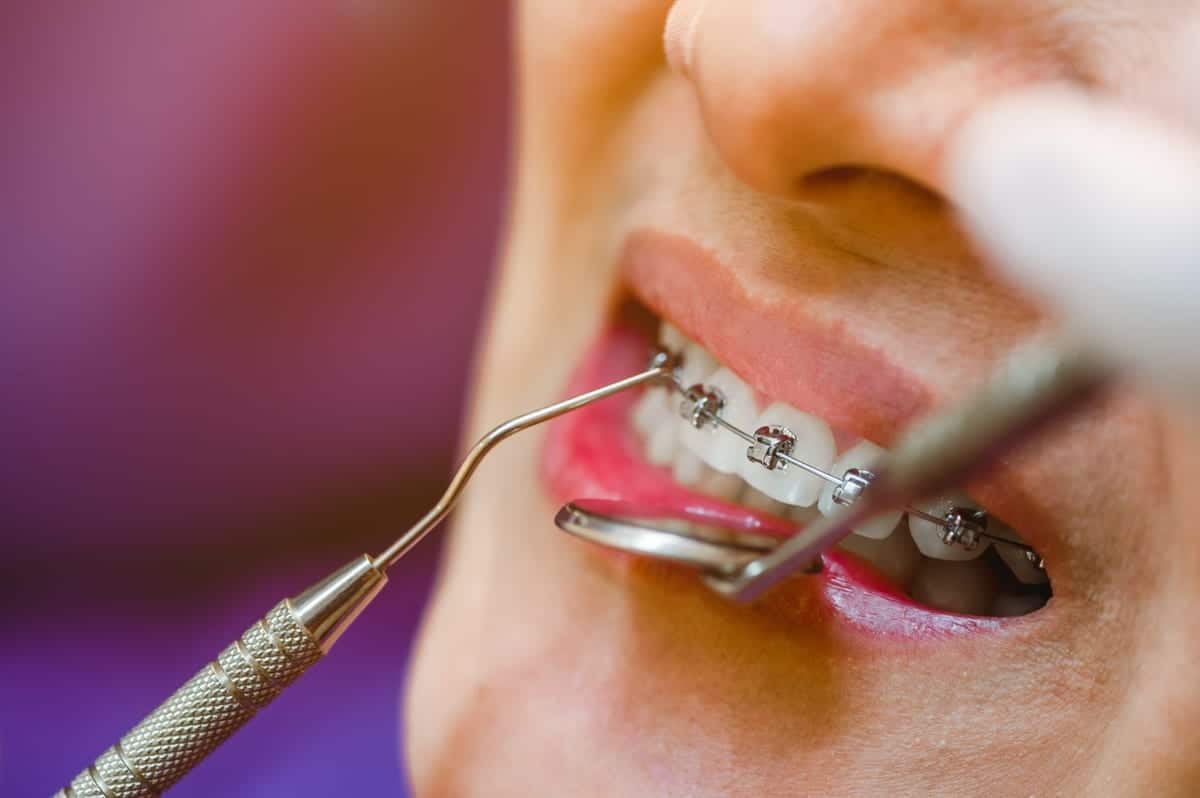
Losing a tooth can feel overwhelming. You may wonder whether a dental bridge is right for your missing teeth in Plant City, or if another solution fits your needs better. The good news is that you do not have to figure this out alone. Dr. Joshua Ferraro at Horizon Dental Designs helps patients evaluate their options with clarity and care.
A dental bridge can restore your smile, improve chewing function, and prevent surrounding teeth from shifting. But not every patient is the right candidate. Understanding who qualifies — and what the evaluation involves — helps you walk into your appointment feeling informed and confident.
What Is a Dental Bridge and How Does It Work?
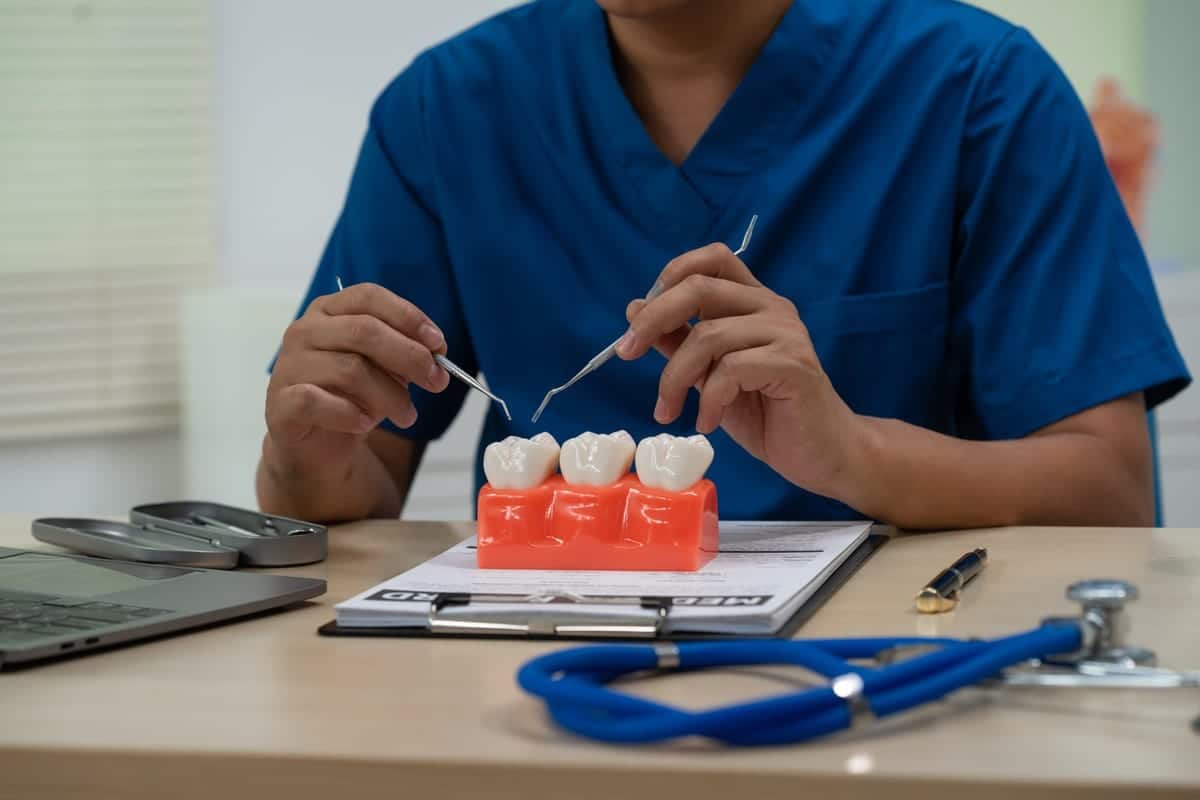
A dental bridge is a fixed restoration that replaces one or more missing teeth. It uses the natural teeth on either side of the gap as anchors, called abutment teeth. A false tooth — called a pontic — sits in between and fills the empty space.
Bridges are cemented into place, so they do not come out like dentures. They look and function very much like natural teeth. Most patients adjust to them quickly and enjoy long-lasting results with proper care.
There are a few types of bridges available. Traditional bridges are the most common. Cantilever bridges use only one supporting tooth. Maryland bridges rely on a metal or porcelain framework bonded to adjacent teeth instead of crowns.
Am I a Good Candidate for a Dental Bridge in Plant City?
Determining whether a dental bridge is right for your missing teeth in Plant City starts with a thorough evaluation. Not every patient qualifies, and that is okay. Other solutions may serve you better based on your unique situation.
You may be a strong candidate if you have:
- One to three adjacent missing teeth
- Healthy natural teeth on both sides of the gap
- Good overall gum health with no active periodontal disease
- Sufficient bone density in the jaw
- A commitment to daily oral hygiene habits
Patients with severe gum disease or significant bone loss may need treatment before a bridge becomes a realistic option. Dr. Ferraro will assess your mouth thoroughly before recommending any path forward.
Age and lifestyle also matter. Younger patients sometimes benefit from waiting until jaw development is complete. Patients who grind their teeth may need additional support or a night guard to protect the bridge long term.
What Does the Evaluation Process Look Like?
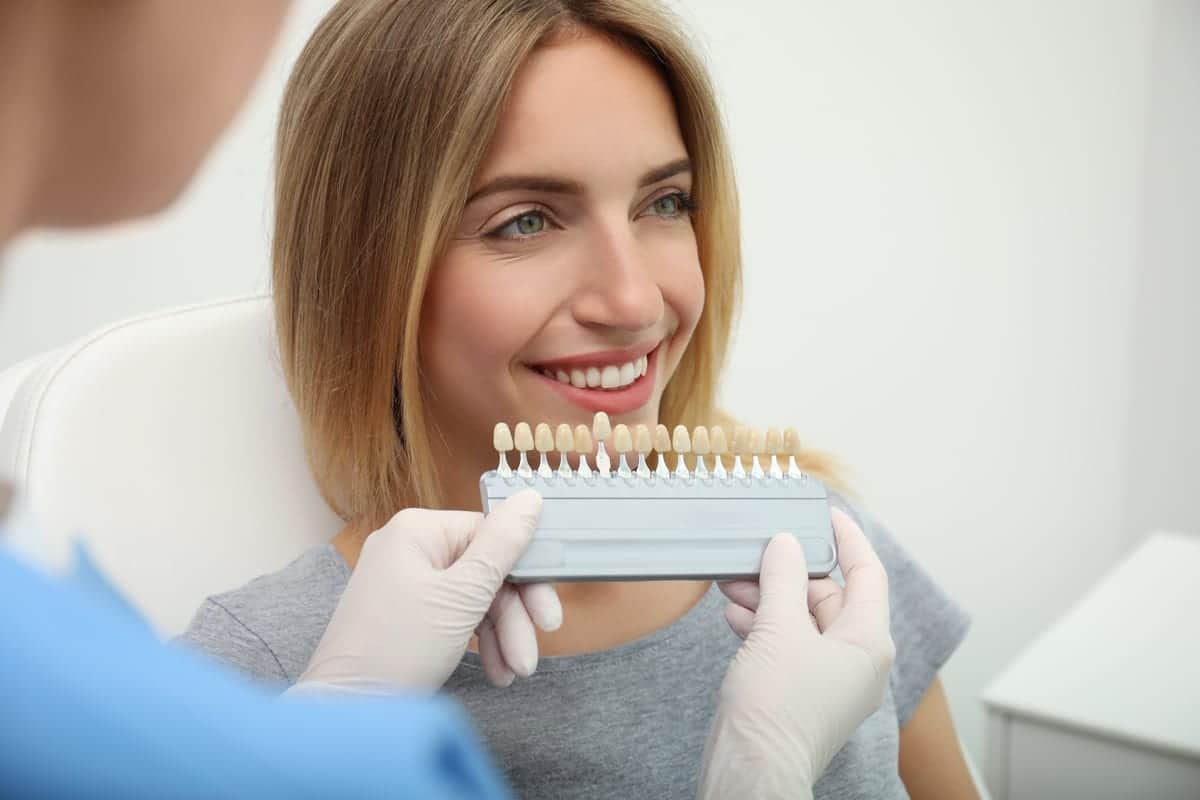
Your evaluation at Horizon Dental Designs begins with a comprehensive exam. Dr. Ferraro will review your dental and medical history. He will examine your teeth, gums, and bite carefully.
Digital X-rays give a detailed view of the bone beneath the gum line. This helps determine whether the abutment teeth can support a bridge reliably. Impressions or digital scans may also be taken to plan your restoration precisely.
During the evaluation, you can expect Dr. Ferraro to:
- Review the health of your remaining teeth
- Assess gum tissue for signs of disease or inflammation
- Measure bone structure using X-ray imaging
- Discuss your goals, concerns, and lifestyle
- Present all viable treatment options side by side
This step-by-step process ensures that any recommendation made is grounded in both your dental health and your personal goals. No two patients receive the same plan because no two mouths are exactly alike.
How Does a Bridge Compare to Other Tooth Replacement Options?
Dental bridges are not the only way to replace missing teeth. Dr. Ferraro will walk you through alternatives during your consultation so you can make an informed choice. Comparing options clearly is a key part of the evaluation process.
Dental implants are one popular alternative. An implant is a titanium post placed into the jawbone that acts as an artificial root. Implant Restoration offers a standalone solution that does not rely on neighboring teeth for support. Implants also help preserve jawbone over time.
For patients missing many teeth, Implant Supported Dentures combine the stability of implants with the coverage of a full or partial denture. This option works well when multiple teeth are missing across a wider area.
A bridge may be the better choice when:
- Implant surgery is not medically advisable
- Bone loss makes implant placement difficult
- Treatment needs to be completed in a shorter timeline
- The patient prefers a non-surgical option
There is no universally superior option. The right choice depends on your bone health, the number of missing teeth, and your preferences. Dr. Ferraro will never push one option over another without solid clinical reasoning behind it.
What Factors Determine the Best Approach for You?
Several factors guide the final recommendation at Horizon Dental Designs. Bone health is one of the most important. A bridge needs strong abutment teeth, while an implant needs adequate bone volume for placement.
The location of the missing tooth matters too. Front teeth and back teeth face different levels of bite pressure. This affects which material and design will hold up best over time.
Your overall health plays a role as well. Certain medical conditions or medications can affect healing and candidacy for surgical procedures. Dr. Ferraro reviews this carefully so he can recommend the safest path for you.
Finally, your long-term goals shape the conversation. Some patients want the most durable, permanent solution available. Others want a faster, more straightforward option. Both are valid, and your input matters throughout the decision-making process.
Taking the Next Step Toward a Healthier Smile
If you have been wondering whether a dental bridge is right for your missing teeth in Plant City, the best way to find out is through a personalized evaluation. No article can replace a thorough exam by a qualified dental professional who knows your unique situation.
Dr. Joshua Ferraro and the team at Horizon Dental Designs are here to guide you through every step. The goal is always to help you make the most informed, confident decision possible. Your comfort and long-term oral health come first.
Ready to explore your options and find the right solution for your smile? Book Now to schedule your appointment with our team.
Frequently Asked Questions
How long does a dental bridge last?
With proper care, a dental bridge can last 10 to 15 years or longer. Good oral hygiene, regular dental checkups, and avoiding habits like chewing ice or grinding teeth all help extend the life of your bridge.
Does getting a dental bridge hurt?
The procedure is performed with local anesthesia, so you should feel comfortable throughout. Some mild soreness or sensitivity in the days following the preparation appointment is normal and typically manageable with over-the-counter pain relief.
Will a dental bridge look natural?
Yes. Modern dental bridges are crafted from tooth-colored materials like porcelain or ceramic that closely mimic the appearance of natural teeth. Dr. Ferraro takes care to match the shade and shape to your surrounding teeth for a seamless result.
Can a bridge fail, and what are the signs?
Bridges can loosen or become damaged over time, especially if the supporting teeth develop decay or gum disease. Signs of a failing bridge include sensitivity, pain when biting, visible movement, or a change in your bite. Contact your dentist promptly if you notice any of these.
Is a dental bridge better than leaving the gap untreated?
Leaving a gap after tooth loss can cause neighboring teeth to shift, affect your bite, and lead to bone loss in the jaw. Replacing missing teeth — whether with a bridge or another solution — helps protect your overall oral health and prevents these complications.