1708 S Alexander St Plant City, FL 33563


Why Your Dentures Are Deteriorating (And How to Stop It)

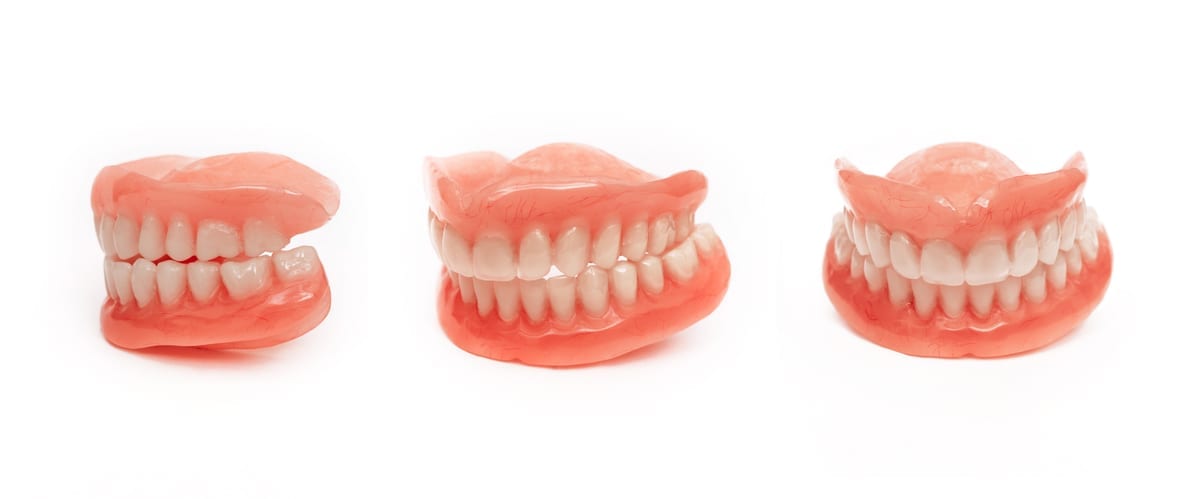
If you wear dentures, you may have noticed they look older than they should. Many Plant City patients ask why their dentures feel different or look worn after just a few years. Understanding why your dentures are deteriorating — and how to stop it in Plant City — starts with your daily routine. The good news is that most damage is preventable with the right habits.
At Horizon Dental Designs, Dr. Joshua Ferraro sees patients every week who unknowingly shorten the life of their dentures. Small mistakes add up fast. This guide will walk you through the correct care routine so your dentures stay functional and comfortable for years.
Why Your Dentures Are Deteriorating Faster in Plant City Than They Should
Dentures are not indestructible. They are made from acrylic resin and sometimes porcelain. These materials are strong, but they react badly to heat, harsh chemicals, and rough handling. Florida’s warm climate can make some problems worse if dentures dry out or warp.
Here are the most common reasons dentures deteriorate prematurely:
- Rinsing with hot water, which warps the acrylic base
- Using abrasive toothpaste that scratches the surface
- Dropping dentures on hard floors during cleaning
- Leaving dentures dry overnight, causing them to crack
- Using household cleaners instead of dental-grade solutions
- Skipping regular professional checkups and adjustments
Each of these habits chips away at your denture’s lifespan. Some cause cosmetic damage. Others affect the fit and your oral health. Identifying your weak points is the first step toward fixing them.
The Correct Daily Cleaning Routine for Long-Lasting Dentures
Cleaning your dentures properly takes only a few minutes each day. Skipping steps or rushing through the process causes buildup that becomes permanent damage over time. A consistent routine is the single best thing you can do to preserve your dentures.
Follow these steps every day:
- Rinse after every meal. Remove your dentures and rinse them under cool or lukewarm water. Never use hot water — it warps the base.
- Brush once daily. Use a soft-bristled denture brush. Apply a non-abrasive denture cleaner or mild dish soap. Regular toothpaste is too abrasive and scratches the surface.
- Clean your mouth too. Brush your gums, tongue, and palate with a soft toothbrush. This removes bacteria and keeps your tissue healthy.
- Soak overnight. Place dentures in cool water or a denture-soaking solution every night. This keeps them moist and maintains their shape.
- Rinse before reinserting. Always rinse soaking solution off your dentures before putting them back in your mouth.
This routine takes about five minutes total. That small investment protects a device that costs significantly more to replace than to maintain.
Soaking and Storage: The Overnight Habits That Matter Most
Most denture damage actually happens overnight. People store their dentures incorrectly without realizing it. Dry storage is one of the biggest culprits behind cracking and warping.
Dentures need moisture to hold their shape. When acrylic dries out, it shrinks slightly and becomes brittle. Over time, this causes cracks and a poor fit. A denture that fits poorly can irritate your gums and shift when you eat or speak.
Here is what correct overnight storage looks like:
- Use a clean denture cup filled with cool water or ADA-approved denture solution
- Avoid flavored mouthwash — the alcohol content can damage acrylic
- Store in a safe place away from pets and children
- Replace your soaking solution daily to prevent bacterial growth
- Never wrap dentures in tissue — this leads to accidental disposal
If your dentures no longer fit well even with proper care, it may be time to discuss alternatives. Options like Implant Restoration Plant City offer a more permanent solution for patients who want stability without the maintenance challenges of traditional dentures.
Handling Mistakes That Crack and Chip Dentures
Handling is another area where patients cause accidental damage without realizing it. Dentures are surprisingly fragile when dropped. A single fall onto a tile or porcelain sink can crack them in half.
Always clean your dentures over a folded towel or a sink filled with water. This creates a soft landing if they slip from your hands. It sounds simple, but this one habit prevents a huge number of preventable breaks.
Avoid bending or forcing your dentures when inserting or removing them. Apply even pressure. Forcing them to fit when something feels off usually signals a fit problem — not a strength issue. Forcing the fit can fracture the denture base or damage the clasps on partial dentures.
Also avoid using your teeth to open packaging or bite into extremely hard foods like ice or hard candy. These habits stress the denture material and your gum tissue. If you are experiencing pain when chewing, schedule an exam. Sometimes underlying issues like gum disease require periodontal treatment before denture fit can be properly assessed. In rare cases, tooth pain beneath a partial may indicate a need for evaluation, and your dentist may refer you for Root Canals Plant City if a remaining tooth is affected.
When to Visit Dr. Ferraro for a Denture Checkup in Plant City
Even with perfect home care, dentures need professional attention. Your mouth changes shape over time as bone and gum tissue naturally shift. A denture that fit perfectly at delivery may need adjustment within a year or two.
Schedule a professional checkup if you notice any of the following:
- Sore spots or irritation that lasts more than a few days
- Dentures that click, slip, or feel loose while talking
- Visible cracks, chips, or staining that cleaning does not remove
- Changes in how your bite feels when chewing
- Facial changes or sunken appearance around the mouth
Dr. Ferraro and the team at Horizon Dental Designs in Plant City can reline, repair, or replace dentures based on your specific situation. Catching problems early is always less expensive and more comfortable than waiting until the damage is severe.
Regular cleanings are also important for patients with partial dentures. Your remaining natural teeth still need professional care. Skipping dental cleanings puts those teeth at risk and can compromise your partial denture fit over time.
Conclusion: Small Daily Habits Make a Big Difference
Understanding why your dentures are deteriorating — and how to stop it in Plant City — comes down to consistency. Daily cleaning, proper overnight soaking, careful handling, and regular professional visits protect your investment. Dentures can last five to ten years with proper care. Without it, they may need replacement in just two or three years.
Dr. Joshua Ferraro and the Horizon Dental Designs team are here to help Plant City patients get the most from their dentures. Whether you need a checkup, a reline, or want to explore longer-term solutions, we are ready to guide you. Book Now to schedule your appointment with our team.
Frequently Asked Questions
How often should I clean my dentures?
You should rinse your dentures after every meal and brush them thoroughly at least once per day. Daily cleaning prevents plaque and bacteria from building up on the surface. Consistent care extends the lifespan of your dentures significantly.
Can I sleep with my dentures in?
Most dentists recommend removing your dentures at night. This gives your gum tissue time to rest and recover. It also allows you to soak the dentures properly, which helps them maintain their shape and prevents bacterial growth.
What kind of toothpaste is safe for dentures?
Regular toothpaste is too abrasive for dentures and can scratch the surface over time. Use a non-abrasive denture cleaner or a small amount of mild dish soap instead. Ask Dr. Ferraro to recommend a specific product during your next visit.
Why do my dentures feel loose even though they fit at first?
Your jawbone and gum tissue naturally change shape after tooth loss. This process, called bone resorption, causes dentures to gradually lose their fit. Regular checkups allow Dr. Ferraro to reline or adjust your dentures as your mouth changes over time.
How do I know if I need new dentures or just a reline?
A reline can often restore fit and comfort if the denture base and teeth are still in good shape. If the denture is cracked, severely worn, or more than seven to ten years old, replacement may be the better option. Dr. Ferraro will evaluate your dentures and recommend the most appropriate solution for your situation.