1708 S Alexander St Plant City, FL 33563


How to Care for Your Dentures for Long-Term Use

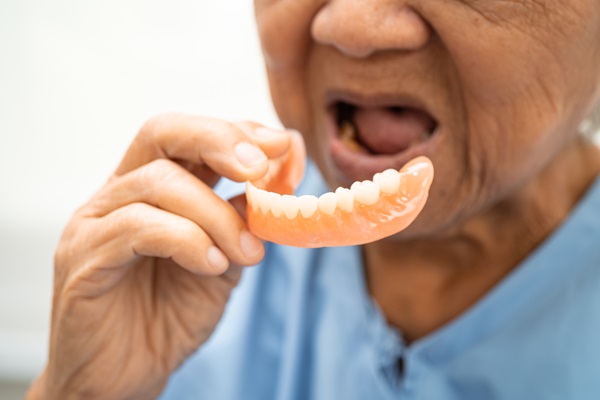
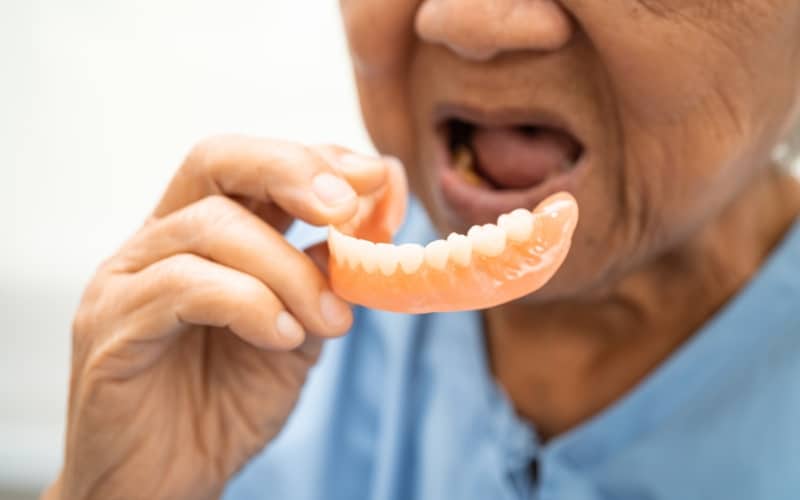
You’ve decided to get dentures, and that’s a great choice! It’s a decision that can change your daily life in ways you may not have considered. Whether you are new to dentures or have been wearing full or partial dentures for some time, one thing remains constant: how you care for them will determine how long they last and how comfortable they are each day.
Many people in Plant City and the surrounding areas lead busy, active lives. The last thing anyone wants is a denture problem that could have been easily prevented with a little care, attention, and knowledge about proper denture maintenance. In this blog, we will provide everything you need to know to care for your dentures so they serve you well for years to come.
Daily Cleaning: The Most Important Steps
Dentures must be cleaned every day. Just as food particles and bacteria accumulate on natural teeth, they also accumulate on dentures. If not cleaned regularly, bacteria can cause bad breath, gum irritation beneath the denture, and staining of the appliance itself. Daily cleaning includes:
- Rinse After Eating: Remove your dentures in Plant City for meals, then rinse them under running water immediately afterward. This step is essential to wash away any loose food debris before it can settle on the dentures’ surface.
- Brush Once Daily: Use a soft-bristled denture brush specifically designed for cleaning dentures—not an ordinary toothbrush! Also, use a non-abrasive cleaner specifically formulated for dentures—never regular toothpaste, as its abrasiveness will scratch the surface over time!
- Avoid Hot Water. Hot water can warp your dentures’ shape. Always use cool or lukewarm water when cleaning and rinsing.
Soaking Overnight: Why It’s Non-Negotiable
Most dentures need to be kept moist to retain their shape. If they are left out and dry, the material may warp or even crack.
- When you take them out at night, place them in a denture-soaking solution or plain cool water.
- If your dentures have metal attachments, check with your dentist first because some soaking solutions may damage metal clasps.
- Never soak in hot water or bleach.
Those who wear implant-supported dentures might have slightly different care instructions, so always follow the guidance that is specific to your type.
Handling With Care
Dentures are durable, but can break if dropped! When taking them off or cleaning them:
- Stand over a folded towel, or fill the sink with a little water; this way, there will be a soft landing if by chance they slip out of your hands.
- Hold onto it firmly, but don’t squeeze too hard—too much pressure on certain spots could cause cracks!
- Small chips or cracks should be repaired right away, as damaged dentures can irritate your gum tissue and affect their fit.
What To Avoid
Some habits can greatly reduce the lifespan of your dentures:
- Repairs at home: Household glue and over-the-counter repair kits will permanently damage the fit and material. If something breaks, see your dentist.
- Whitening products: Regular whitening toothpaste and strips are not for dentures; these will damage the surface.
- Foods that are hard or extremely sticky: Biting into hard candies, chewing ice, or eating very chewy foods can put excess pressure on the base and clasps.
Caring for Your Mouth, Not Just Your Dentures
Denture care goes beyond just the appliance. Your gum health is equally important. Even without natural teeth, you should:
- Brush your gums, tongue, and the roof of your mouth every morning before inserting dentures. This helps remove bacteria and stimulate circulation.
- Let your gums rest. Taking dentures out at night allows tissues to recover from the pressure of all-day wear.
- Watch for soreness or changes. If you’re consistently having sore gums or if your dentures are feeling loose, that’s definitely something to tell a dentist about.
Over time, as the jaw and bone structure change, dentures may need to be relined or adjusted.
Regular Dental Visits Still Matter
Even with full dentures in place, you still need to visit the dentist regularly. These check-ups allow your dentist to examine the surface of oral tissue for any signs of irritation or abnormal changes. Fit-check your denture because it naturally changes as the jawbone shifts over time. Have the dentures professionally cleaned if necessary.
For residents seeking dentures in Plant City, staying on track with dental visits is one of the most overlooked aspects of long-term denture care; it’s not just about caring for the teeth but also everything under them! The ADA recommends that denture wearers see their dentist at least once a year, even if there are no obvious problems.
Signs Your Dentures Need Attention
Don’t wait until you have a big problem to see your dentist. Look for:
- Trouble chewing or talking that wasn’t there before
- Cracks, chips, or worn-down areas
- Redness, swelling, or sore spots on the gums that don’t go away
- Slipping or a loose feeling in your dentures
- Unpleasant smell even after cleaning
These are signs that something is off and needs checking —whether it’s a repair, reline, or new set.
How Long Do Dentures Last?
When properly cared for, they can last 5 to 10 years. Bone and gum tissue can change over time, affecting the denture fit. Therefore, even if well-maintained, all dentures will eventually need to be replaced due to changes in bone and gum tissue.
The expected lifespan and maintenance schedule of full dentures, partial dentures, and implant-supported dentures will vary. You can ask your dental provider for advice on what applies to your situation.
Caring for Your Oral Health Beyond Dentures
Getting dentures is not the end of good oral health. That is the start of a different oral health routine than the one you had before getting dentures. You will likely have fewer oral health issues as long as you are consistent with your hygiene by regularly cleaning and soaking your dentures and by going for dental check-ups and caring for your gums.
If you are experiencing ongoing discomfort or poorly fitting dentures, you should explore different restorative options (e.g., bone grafting, implant-based solutions) that your dentist may discuss with you. These solutions can offer greater stability and comfort (in the long term) for denture wearers who have worn dentures for many years.
Need Help With Your Dentures?
If you are due for a check-up, have noticed changes in the fit of your dentures, or want to receive advice from a trusted local provider, Horizon Dental Designs is here for you. Our dental team will work with you to achieve the best and fullest use of your dentures in Plant City, whether that involves having an exam, a reline, or a complete consultation.
Common Questions Most People Ask
1. How often should I clean my dentures?
Every day. Rinse them after meals and brush them once daily with a soft denture brush and non-abrasive denture cleaner.
2. Can I sleep with my dentures in?
Most dentists recommend removing them at night to give your gum tissue time to rest. Soaking them overnight also helps maintain their shape.
3. Why do my dentures feel loose after a few years?
Jawbone and gum tissue naturally change over time. This causes the fit to shift. A dental reline or a new set may be needed.
4. Can I use regular toothpaste on my dentures?
No. Regular toothpaste is abrasive and can scratch denture surfaces, making them more prone to staining and bacterial buildup.