1708 S Alexander St Plant City, FL 33563


How Long Do Dental Crowns Last?

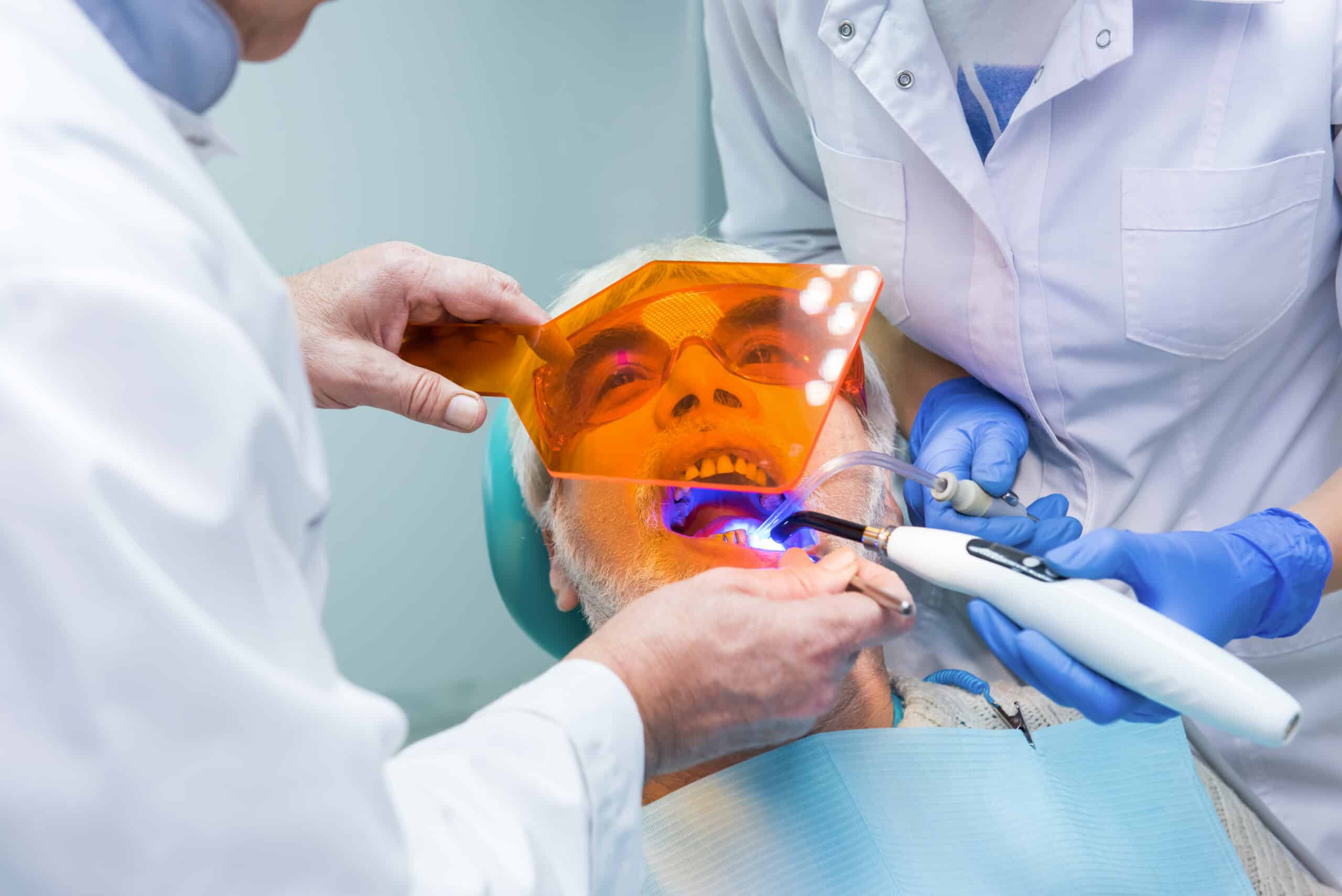
It’s rare to give much thought to your dental crown until something changes – a new sensitivity arises, the crown begins to feel loose, or you ask a question at your routine checkup. Once you’ve had a crown placed or it’s been recommended, it is quite normal to question its durability.
This blog is dedicated to determining the longevity of a dental crown, the factors that affect its lifespan, and how to maximize it.
What Is a Dental Crown and Why Is It Used?
A dental crown, sometimes called a cap, is a tooth-shaped covering placed over a damaged or weakened tooth. It restores the shape, size, and strength of a damaged tooth and has several uses. Most frequently, a crown is needed after a root canal to seal the tooth, to hold a tooth with a large filling in place, to cover a cracked tooth, or to complete a dental bridge or implant restoration.
This is a routine procedure and can be performed by most dentists. For residents seeking a dental crown in Plant City, same-day or standard crown procedures may be available, depending on the practice and case.
How Long Does a Dental Crown Last?
Most dental crowns can be expected to last 10 to 15 years on average. However, many crowns will last over 20 years if proper oral hygiene habits and routine dental check-ups are followed. The lifespan of your crown may vary with its material. Here are the estimates for most crown materials:
- Gold or metal crowns are the most durable, lasting 20+ years because of their strong bite resistance and resistance to chipping.
- Zirconia crowns have both strength and aesthetics and generally last 15-20+ years.
- Porcelain-fused-to-metal crowns (PFM) can be expected to last 10-15 years on average.
- All-porcelain and all-ceramic crowns are ideal for front teeth, where aesthetics are key, but generally last 10-15 years.
Your dentist will discuss the material most suitable for your bite, the location of the affected tooth, and your overall oral health.
What Contributes To A Crown’s Lifespan?
Oral Hygiene
The crown itself will not decay; the natural tooth beneath it, however, will. If plaque is allowed to accumulate at the gingival margin around the crown margin, the tooth at the base of the crown may begin to decay and the crown to loosen.
It can be prevented by regular twice-daily brushing and careful flossing around the crown. It is checked and cleaned at your routine dental hygiene visits.
Teeth Grinding and Clenching
This can wear the crown, microfracture it, and cause the bond holding the crown to the tooth to fail.
Patients who grind or clench their teeth are usually recommended to wear a custom-made night guard. This is one of the simpler methods for extending the life of a crown and preserving the remaining teeth.
Dietary Habits
Even though dental crowns in Plant City are a robust restoration, certain habits can accelerate wear. Chewing ice will chip porcelain crowns, as will hard candies. Sticky foods, such as caramel, can adhere to the crown margin and tooth, causing the crown to come off. It is worth avoiding these sorts of habits if your crown is on a back molar, as it already bears a lot of chewing stress.
Location within the Mouth
Molars absorb the most force during chewing. Crowns placed on the back teeth will wear faster than those placed on the front teeth; therefore, it is advisable to use Zirconia or metals for crowns on back teeth.
Quality of Fit
A well-fitting crown with tightly sealed margins is less likely to fail; if there are any gaps around the crown margin, bacteria can penetrate between the crown and the tooth.
Signs a Crown May Need to Be Assessed
Crowns do not always provide clear warning signs before they need to be replaced, but the following signs should not be ignored:
- Sensitivity or discomfort when biting or chewing
- A crown that feels loose or has moved
- Visible cracks or chips on the crown
- Pain or swelling in the area of the crowned tooth
- Dark spots are visible around the gumline of the crown
If any of these symptoms occur, a dental appointment is worth considering. An X-ray can show what is happening under the crown and whether it needs adjustment, repair, or replacement.
Can a Crown Be Repaired?
Small chips on porcelain or ceramic crowns may be smoothed out or repaired with composite resin. However, if the crown is badly damaged, the tooth beneath has decayed, or the fit is no longer secure, replacement is probably the best option.
When a crown reaches the end of its functional life, the dentist can evaluate the tooth and underlying bone structure before deciding what should happen next. Sometimes, a tooth must be extracted and replaced with a bridge or implant.
How to Extend the Life of a Crown
There is no complicated process to follow. The simple things are what will make the biggest difference:
- Brush at least twice a day, including the area around the gum line near the crown
- Floss daily, being careful around the crown area
- Visit your dentist for checkups and cleanings every six months
- Use a night guard if you grind
- Avoid hard or sticky foods regularly
- Avoid using your teeth to open packages or bite down on non-food items
Patients who maintain these habits and stay consistent with professional cleanings tend to get significantly more years of service from their crowns than those who don’t.
The Importance of Regular Dental Visits
During regular dental visits, problems with crowns are most likely to be identified early. Dentists examine the areas around the crowns for wear, signs of early decay, and gum health. Identifying a problem early on usually means it is a simple, inexpensive fix.
Crowns, bridges, and implant restorations are all types of restorative dentistry that can benefit from regular monitoring. A crown that is placed today can last for many years to come with proper care.
Conclusion: Taking Care of Your Crown Is Worth It
Dental crowns in Plant City are a great long-term solution for damaged teeth. Most dental crowns will last well over a decade, and many will last even longer with proper care.
Knowing what affects the longevity of your dental crown will help you make the right decisions and catch problems early on.
At Horizon Dental Designs, Dr. Joshua Ferraro and his staff perform crown restorations with today’s technology, including same-day crowns. If you have questions about your current crown or are interested in getting one, we can guide you through what you can do based on your individual circumstances.
Common Questions People Have
1. How do I know if my dental crown needs to be replaced?
Common signs include pain or sensitivity when biting, a loose crown, visible cracks, or dark lines at the gumline. A dental X-ray can confirm whether replacement is needed.
2. Can a crown fall off completely?
Yes, though it is uncommon. It can happen if the cement bond weakens, if decay develops underneath, or after trauma. If a crown comes off, contact your dentist promptly and avoid chewing on that side.
3. Is getting a crown replaced painful?
The area is numbed with local anesthetic, so most patients experience little discomfort during the procedure. Some mild soreness afterward is normal and typically short-lived.
4. Does dental insurance cover crown replacement?
Coverage varies by plan. Many insurance providers cover a portion of the cost of a crown, particularly when the procedure is medically necessary. It’s advisable to check with both your insurer and the dental office before the appointment.