1708 S Alexander St Plant City, FL 33563


Caring for Your Implant Restoration for Long-Term Success

Being one of the most dependable and effective ways to replace a lost or damaged tooth, implant restoration is a frequent choice. We, at Horizon Dental Designs provides implant restoration services to locals seeking a solution. In addition to restoring your smile and confidence, it will help you get back to life more easily. Whether you’re a local resident or new to the area, understanding how to care for your implant restoration is key to ensuring its long-term success.
In this blog, we will give you practical advice on looking after your implants – after all, they need care and attention just like anything else does.
Why Implant Restoration is Good for Oral Health
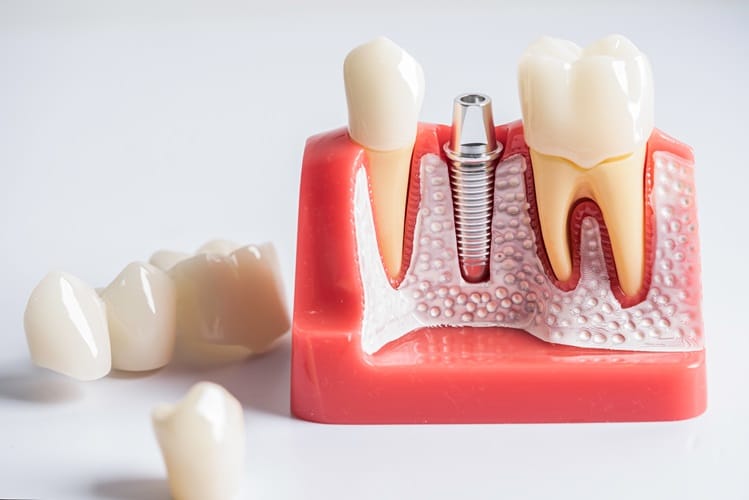
When you receive an implant restoration, a small titanium post is embedded in your jawbone to replace a missing tooth. An implant restoration not only restores your speech and chewing abilities but also preserves the structure of your jaw. Without an implant, your jawbone may erode away, and surrounding teeth may begin to shift, but choosing implant restoration allows you to receive a tooth-replacement solution that will restore the function of a natural tooth and preserve the structure of your jaw.
When you go for implant restoration in Plant City, you also need to take good care of them; if you do not, they can easily become infected with gingivitis and fail to restore your mouth! For these reasons, aftercare is key when having an implant and should include regular visits to your dentist.
Tips to Maintain Your Implant Restoration
Maintaining your implant restoration in Plant City is relatively straightforward but requires careful attention and consistent follow-up. Follow these points to ensure the longevity and performance level of your implants:
Follow Your Dentist’s Aftercare Instructions
After surgery, carefully follow your dentist’s post-op instructions. This may mean avoiding certain foods, practicing gentle oral hygiene, and taking any prescribed medications, such as antibiotics. These will help your implants heal as quickly as possible, setting the stage for a smooth long-term restoration.
Maintain Proper Oral Hygiene
Proper oral hygiene is essential for maintaining your implant restoration. Although dental implants cannot decay as natural teeth do, the gum tissue surrounding them can harbour infection if not cleaned thoroughly. Ensure that you brush and floss your teeth at least twice a day. Flossing daily, if you can manage it, will help keep bacteria from the gum line and prevent an accumulation of plaque in your mouth. In addition, you must use a soft-bristle toothbrush and non-abrasive toothpaste to avoid damaging your implants.
Schedule Regular Check-ups with Your Dentist
Regular dental visits are essential to keep your dental implants in good condition. Your dentist will look for signs of gum disease, check the fit of the implant, and ensure that all is functioning well. These regular check-ups are important because they can catch any potential issues early on – before they become bigger problems.
Avoid Excessive Force on Your Implants
While dental implants are durable, they are not invincible. Don’t stress your implants by developing habits such as biting on ice, chewing your fingernails, or using your teeth for tasks better suited to your fingers. And take precautions: if you play sports where you might be at risk of contact with other players or equipment, wear a mouth guard to protect your implants.
Eat a Balanced Diet
Goods for overall health are also good for long-term implant restoration. Eating food rich in nutrition can help improve your gums and bones, not to mention that they are two crucial components for the ongoing success of your implants. Calcium, vitamin D, and phosphorus-containing foods can only be good for your bones. Stick to these foods as much as possible. You should also avoid sticky and hard foods that might hurt the restoration.
Things to Watch Out for in Your Implant Restoration
Although implant restorations are usually successful, improper care can lead to problems. Some potential complications are:
- Gum Recession: If plaque accumulates around your implant, it can lead to gum recession, which may affect your implant. You can avoid this by cleaning regularly and practicing good oral hygiene.
- Implant Loosening: On rare occasions, an implant can loosen if it fails to integrate with the surrounding jawbone. Factors contributing to this include infections, accidents, or excessive pressure exerted on such an implant. Regular check-ups will help monitor this possibility.
- Infection: Like natural teeth, implants can become infected if they are exposed to bacteria. Proper oral hygiene can prevent such infections through measures such as regular professional cleaning.
How Horizon Dental Designs Can Help You
At Horizon Dental Designs, our patients are our chief concern. We are committed to providing the information and tools you need to properly care for your implant restoration. If you need a routine check-up or have questions about maintaining your implants at home, we are here for you.
Conclusion: Keeping Your Implant Restoration Healthy and Lasting
Caring for your implant restoration in Plant City is essential to ensuring its long-term success. The right aftercare, regular dental examinations, and healthy habits are all vital for the continued service of your implants, just as they are for natural teeth. If you have any concerns or would like to arrange an appointment, please contact Horizon Dental Designs. We aim to help you maintain your beautiful, healthy smile for years to come.
Contact Horizon Dental Designs Today!
Would you like to make an appointment, or do you have questions about implant care? Talk to our dentists at Horizon Dental Designs today. In everything you do, we’re here to help you every step along the way!
Common Questions People Ask
How long do dental implants last?
Dental implants can last 25 years or more with proper care. Regular check-ups and good oral hygiene are key to ensuring their longevity.
Can I eat normally with dental implants?
Yes! Once your implants are fully integrated with your jawbone, you can eat most foods. Just avoid excessively hard or sticky foods that could cause damage.
What should I do if my implant feels loose?
Contact your dentist immediately if your implant feels loose. This could indicate a problem that needs professional attention.
Are there any foods I should avoid after getting implants?
For the first few weeks after implant surgery, avoid hard or chewy foods. After full healing, most foods can be eaten with care.